5 Common Meditation Myths That Hold You Back

Sheenam Midha
Writer
February 18, 2026 · Updated February 18, 2026
"I can't stop thinking." "I don't have time." "That's not really for someone like me." Sound familiar? These are the most popular expressions that occur when the question of meditation is brought up, and nearly all of them are meditation myths. In case one of these excuses has prevented you from giving meditation a chance, then this post is addressed to you.
Myth: You Have to Empty Your Mind Completely
The Truth: This is most likely the one and the biggest myth related to meditation, and this causes more beginners to stop than anything. Human beings are sitting, having a thought of shopping items in their mind, and they instantly say: I am doing it wrong.
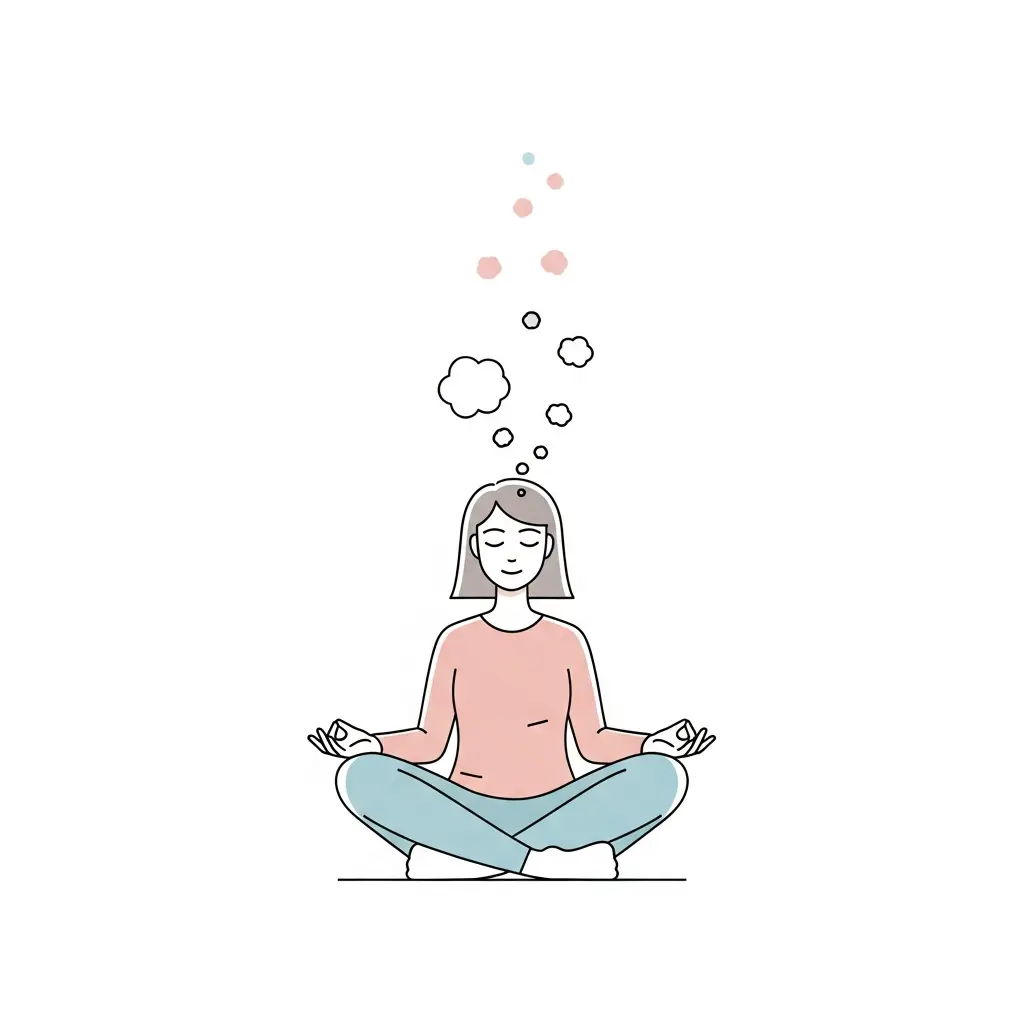
This is the reality of meditation; it does not mean having no thoughts. The mind is a constant generator of thoughts; that is literally its work. The thing that meditation also trains is to become aware of when you have lost concentration and to refocus. That moment of noticing? That is the practice.
Consider it in the following terms: When you have 50 thoughts that interrupt you 50 times in a 10-minute session and redirect your attention 50 times, it is 50 mindfulness gymnastic reps. You did not lose - you have practised.
This is confirmed by neuroscience research. Research indicates that the practice of switching attention enhances brain circuits and mechanisms of attention and emotional control. You don't need a blank mind. You just need a willing one.
Myth: Meditation Is a Religious Practice — and Not for Everyone
The truth: Yes, meditation is a tradition of ancient Buddhism, Hinduism, and Taoism. However, similarly to how yoga became a global physical fitness trend that is available to all people, no matter their religious beliefs, contemporary meditation is a non-religious, scientifically supported mental health activity.
Meditation today is prescribed by physicians, practiced at schools, included in corporate wellness programs, and researched in clinical trials. The stress reduction program Mindfulness-Based Stress Reduction (MBSR) was created in 1979 at the University of Massachusetts and has helped thousands of people cope with chronic pain, anxiety, and depression - without any religious element.
“Meditation is to the mind what exercise is to the body. It doesn't matter what you believe — it just works.”
Whether you're an atheist, agnostic, Christian, or anything in between, meditation is simply a practice of turning your attention inward. It belongs to everyone.
Myth: You Need to Meditate for Hours to See Any Benefit
The truth: It is hard not to imagine that meditation is something that can only be used by hardcore students of this practice who have morning routines and keep collections of incense in their eyes when scrolling through Instagram. The reality? The results can be achieved even in 5-10 minutes a day.
In a study published in the journal Consciousness and Cognition, it was concluded that mood, working memory and concentration were significantly enhanced by four days of 20-minute meditation sessions. Other studies reveal that short sessions should be taken consistently by beginners rather than unscheduled long sessions.
The golden rule: Consistency beats duration. A 7-minute daily practice you actually stick to will transform your mental well-being far more than a 60-minute session you do once a month.
Even for the first time, new to stress and anxiety reduction through meditation, you can begin by spending five minutes in the morning or before going to sleep. A guided meditation application is useful. Habit in the first place, the profundity afterwards will follow of itself.
Myth: There's Only One "Correct" Way to Meditate
The truth: Most individuals would think that the practice of meditation involves sitting down on a cushion in a cross-legged position, with eyes shut and spending 30 minutes being silent. In case that picture does not suit you, well, that is wonderful, since it is not the only one.
Mediation refers to a broad category of practice, including:
Mindfulness meditation - seeing thoughts and experience without evaluation
Guided meditation - following along with an audio or video guide
Walking meditation - syncing awareness with each step outdoors
Body scan meditation - progressively relaxing each part of your body
Breathing exercises - focusing solely on the rhythm of your breath
Mantra meditation - silently repeating a word or phrase to anchor focus
Holistic psychotherapist Trisha Miller, LPCC, puts it well: "The only question should be, 'Does this work for me?' If not, it's easy to find something that does." Experiment, explore, and permit yourself to discover what fits your life, schedule, and personality.
Myth: Meditation Is Just "Relaxation" — With No Real Benefits
The truth: Although it is undeniable that meditation is a highly effective way to relax, the idea of treating it as a simple method of chilling down with its work is a gross underestimation of its role. Decades of intensive scientific studies now support the value of an established meditation practice.
Regular meditators show measurable improvements across a wide range of areas:
Lower cortisol levels (the major stress hormone)
Reduced blood pressure and better cardiovascular health
Enhanced emotion control and less anxiety
Better concentration, memory and thinking
No increased insomnia and better sleep
Increased depression-burnout resilience
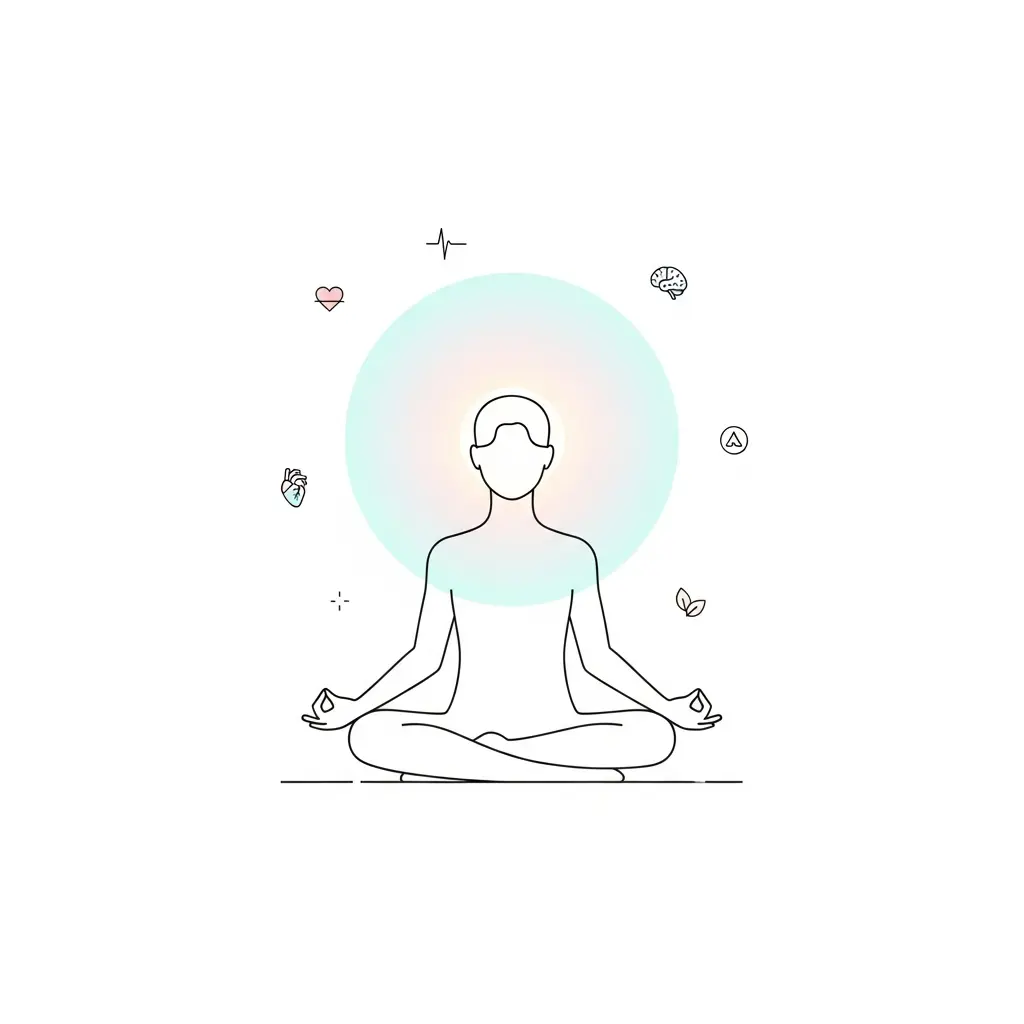
The American Heart Association has asserted that meditation may help lessen the chance of heart disease. The study conducted by scientists of Harvard Medical School has shown that repeated practice literally alters the brain structure - it increases its gray mass in the regions associated with self-awareness and compassion.
Relaxation is a side effect. The real change that meditation provides is a fundamental change in the way your brain reacts to stress, discomfort and distraction. Not fluff of wellness, but neuroscience.
In conclusion!
These illusions should not come between you and the tranquility that you will have. Meditation does not involve perfection, hour-long or religious meditations, but rather, showing up to do it every day, at least, simply redirecting your wandering mind, and developing a permanent mental strength one mindful breath at a time.
Ready to Give It a Real Try?
Now that you know the truth behind these common meditation myths, nothing is standing between you and a calmer, clearer, more focused version of yourself. There is no need to have an ideal environment, some special abilities, or time of leisure. You simply have to begin -- you can even begin in five minutes each day.
No, meditation does not compare itself with sleep as far as physical rest is concerned. Although meditation offers clarity of mind and relaxation, your body requires real sleep to repair the cells, consolidate memories and control hormones. Nevertheless, meditation may be used as an addition to sleep because it helps to minimize the time of the falling asleep process and enhances the quality of sleep. Consider meditation a sleep enhancer, and not a sleep replacement.
Yes! One of the best natural remedies is meditation on occasions when you are unable to sleep. Try a body scan meditation or guided sleep meditation while lying in bed. Concentrate on the progressive muscle relaxation, and that is, you begin at the toes and go upwards. Although you might not necessarily fall asleep at once, you are providing your nervous system with an opportunity to put the brakes on the so-called alert mode, commonly resulting in natural drowsiness in 10-20 minutes.
The impact of meditation on sleep is the suppression of the hyperactive fight or flight reaction, which has caused many people to unwind at night. Routine exercise will decrease the level of cortisol, decrease thoughts and stimulate the default nervous system - the natural rest and digest mode of your body. Research indicates that those who meditate sleep 50% faster and have fewer night awakenings than those who do not meditate.
Absolutely. Anxiety meditation before sleep is scientifically proven. Even a 10-minute mindfulness or breathing exercise can allow your brain to relax and be assured that it is safe to forget about everything you were stressed about in the day. Such tricks as the 4-7-8 method of breathing (breathing 4 times, pausing 7 times, breathing out 8 times) will turn on your vagus nerve, which directly combats anxiety and prepares your body for restorative sleep.
Not exactly, but you can do yoga nidra or yogic sleep, which is a technique of guided meditation that helps induce a state between waking and sleeping. When you lie down, you are awake, although extremely relaxed, as it is often said you will get several years of rest in 30 minutes. Yoga nidra is not sleep, but it offers deep mental or physical rest without forgetting the world.
Walking meditation is a mental exercise in which you walk slowly and deliberately with the intention of meditating. You do not sit and do nothing, but concentrate on the physical experience of each step, lifting your foot, the redistribution of weight, and touching the earth. You should walk slowly at approximately half the speed you usually walk, at a quiet location and match your steps with your breathing. It suits those who become nervous when they sit in one place or prefer to be moving and be mindful.